How a paper should look
Let’s not forget about the visual appeal of paper as well.
LaTeX writing offers the advantage of producing a visually attractive paper. The top section of your LaTeX template enables you to format the document in a clear, easy-to-read manner that most academics are familiar with. Refrain from getting too creative with the formatting, as people have specific expectations, and you want to ensure that information is easily accessible.
In general, a paper is composed of 8 to 10 parts. The main five parts are the sections that comprise the paper, along with the title, abstract, authors and their affiliations, and significant footnotes regarding the manuscript, such as the source of grant funding, the author order, and the corresponding author.
It is common practice in some fields to include all tables and figures at the end of a manuscript. This allows readers to locate the information they need quickly. Additionally, dedicating one page to each table and figure makes it easier to read. In the following sections, we will provide further guidance on creating visually appealing tables and figures. Overall, the manuscript should follow a sequence that includes the proper placement of tables and figures.
- The first page:
- Title in bold, large text.
- The authors and their affiliations.
- The abstract.
- A footnote at the bottom describes the authors sequencing and who the corresponding author may be. You should also include acknowledgments and funding sources.
- The second part:
- Introduction
- Theoretical framework
- Methods and data
- Results
- Discussion
- Conclusion
- The third part:
- References
- The fourth part:
- Figures
- The fifth part:
- Tables
- Appendix (if applicable):
- Placed after the main tables.
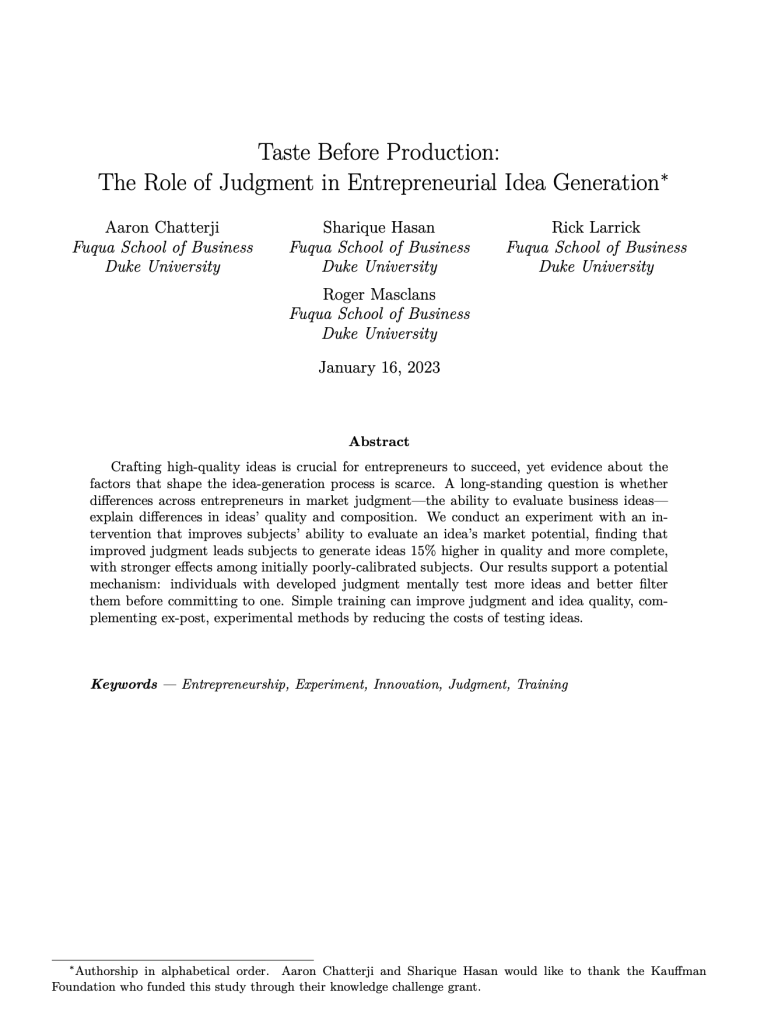
Attached you will find a PDF document of a complete manuscript. This should give you a good sense of how a paper should look.
 Sharique Hasan